
Category: AI & Industries

How AI is transforming agriculture, healthcare, software, and more.

  • How AI Is Changing Manufacturing in 2026 — Robots, Predictive Maintenance and Smart Factories

    How AI Is Changing Manufacturing in 2026 — Robots, Predictive Maintenance and Smart Factories

    Disclosure: TopAINest is reader-supported. This post contains affiliate links, and we may earn a small commission if you buy through them — at no extra cost to you. We only recommend products we’d genuinely tell a friend to buy.

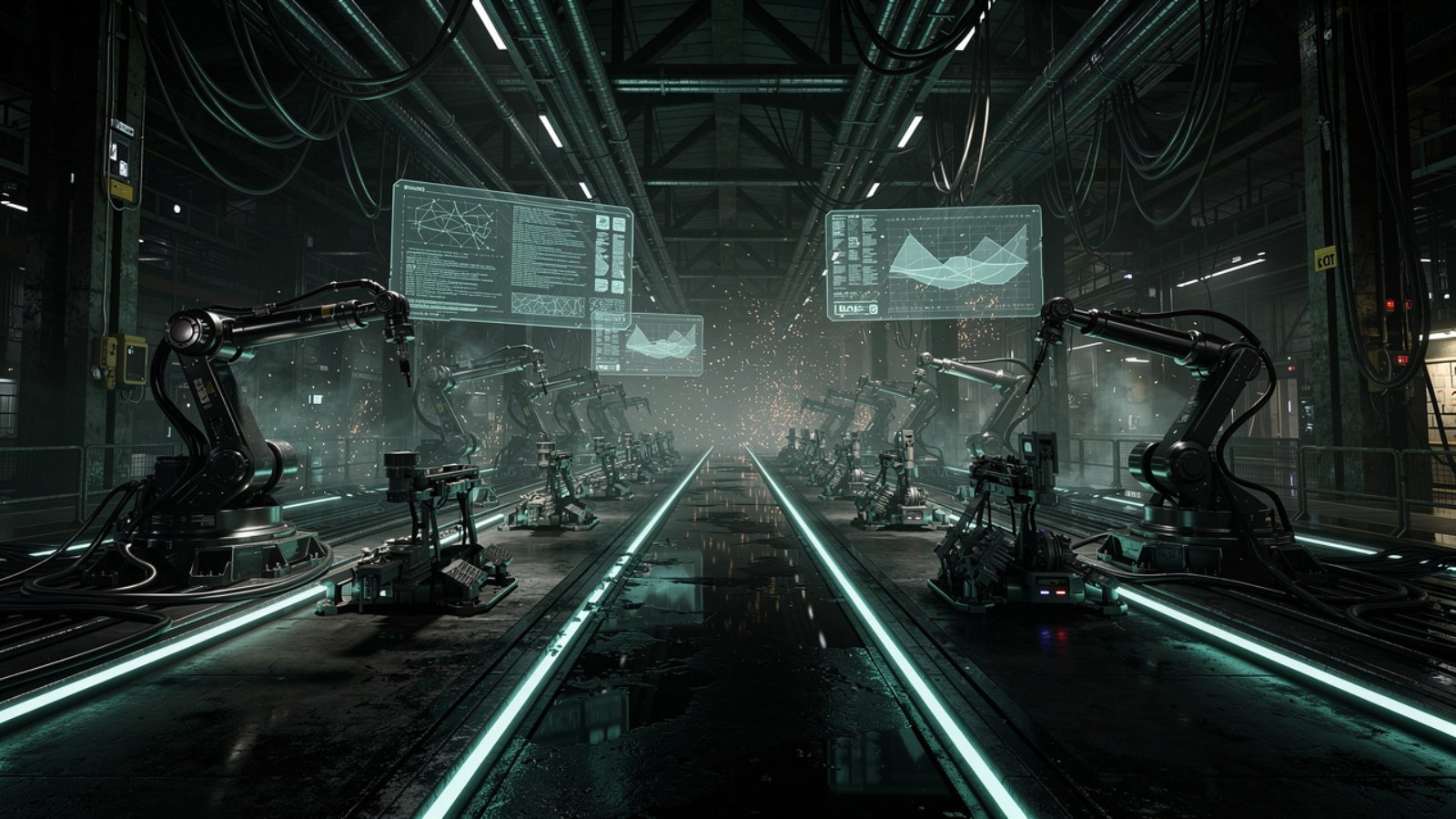
    Walk onto a modern factory floor in 2026 and you’re stepping into something that would have seemed like science fiction a decade ago. Collaborative robots work alongside human employees, sensors on every machine stream live data to AI models, and algorithms quietly prevent equipment failures before they knock production offline. Manufacturing — once stereotyped as slow to change — has become one of the most aggressive adopters of artificial intelligence in the global economy.

    The numbers are striking. McKinsey estimates that AI-driven automation in manufacturing could generate between $1.7 trillion and $3.7 trillion in global value by 2030 — and that wave is well underway. German automakers, South Korean electronics firms, North American aerospace companies, and food processors are all racing to deploy AI at scale. The question is no longer whether AI will transform manufacturing; it’s whether any given company is moving fast enough to stay competitive.

    Here’s what’s actually happening on factory floors right now — broken down by the technologies making the biggest difference.

    The Robot Revolution on the Factory Floor

    Industrial robots aren’t new — they’ve been welding car frames since the 1970s. What is new is intelligence. Modern collaborative robots (cobots) use computer vision and real-time learning to work safely beside humans, adjusting their movements based on what’s happening around them rather than following a rigid pre-programmed path. They can sense when a human hand enters their workspace and slow or stop automatically. The safety cage that used to separate humans from robots is, in many applications, gone.

    In 2026, companies like Universal Robots, ABB, and Fanuc are deploying AI-native arms that can be taught a new task in minutes — a line worker physically guides the arm through a motion, and the AI learns it. No robotics engineer required. Tesla’s Gigafactories use fleets of autonomous mobile robots (AMRs) that navigate the floor using LiDAR and AI planning algorithms, rerouting themselves around obstacles and workers in real time. NVIDIA’s Omniverse platform lets manufacturers simulate entire robotic workflows in a virtual environment before a single physical robot is purchased.

    For smaller manufacturers, the barrier to entry has dropped sharply. Cloud-based AI vision systems can now be retrofitted to legacy machinery for a few thousand dollars, turning a decade-old CNC machine into one that can detect tool wear and self-correct cutting parameters. This democratisation of robotics is reshaping not just automotive and electronics, but pharmaceuticals, food processing, and custom furniture manufacturing.

    Predictive Maintenance: Stopping Breakdowns Before They Happen

    Unplanned downtime costs manufacturers an estimated $50 billion a year in North America alone. Traditional maintenance was either reactive — fix it when it breaks — or scheduled — replace parts on a calendar, even if they’re still in perfect condition. AI-powered predictive maintenance is changing the math entirely.

    The approach works by wiring machines with vibration sensors, thermal cameras, and acoustic monitors, then feeding that continuous stream into AI models trained to recognise the subtle signatures that precede failure. A bearing about to seize vibrates at a slightly different frequency days before it fails. A hydraulic pump heading for trouble runs a fraction of a degree hotter than its baseline. A motor drawing marginally more current than normal might have a developing fault in its windings. AI catches all of this; maintenance teams catch it before it becomes a crisis.

    Siemens, Honeywell, and GE are running predictive maintenance programmes across thousands of industrial assets globally. Real-world deployments consistently show 20–40% reductions in maintenance costs and unplanned downtime cut by as much as 50%. For capital-intensive industries like steel, chemicals, and aerospace manufacturing, those percentages translate to hundreds of millions of dollars saved annually. An oil refinery that avoids a single unplanned shutdown can save more than the entire annual cost of its AI programme in one event.

    Smart Factories and the Industrial Internet of Things

    A “smart factory” — the centrepiece of Industry 4.0 — is a facility where every machine, sensor, conveyor, and system is connected and shares data in real time. The Industrial Internet of Things (IIoT) provides the nervous system; AI provides the brain that interprets it all and drives decisions.

    In practice, the most powerful application is the digital twin: a live virtual replica of the physical factory that runs continuously alongside the real one. Engineers can test a process change in the digital twin — say, speeding up one production stage or substituting a component material — before applying it to the actual line, eliminating the expensive trial-and-error that used to be the only option. Bosch’s flagship factory in Reutlingen, Germany has been running a comprehensive digital twin since 2023, and reports a 25% improvement in overall equipment effectiveness since implementation.

    Smart factory AI also optimises energy consumption, shifting heavy-load processes to off-peak hours automatically and trimming electricity costs by 10–15%. In a manufacturing environment running twenty-four hours a day, that’s a meaningful bottom-line impact — and as energy prices remain elevated in 2026, it’s becoming a genuine competitive differentiator.

    AI-Powered Quality Control: Defects Caught in Milliseconds

    Human quality inspectors are skilled and experienced. AI vision systems are faster, more consistent, and don’t fatigue at hour seven of a twelve-hour shift. That’s not a case against human inspectors — it’s a case for deploying both in complementary roles.

    Computer vision models trained on thousands of images of defective and acceptable products can flag problems at line speed — inspecting hundreds of units per minute with error rates well below human benchmarks. Foxconn uses AI visual inspection across its electronics assembly lines in Taiwan and mainland China, catching surface defects measured in fractions of a millimetre. BMW deploys AI cameras that inspect spot welds in real time and automatically pause the production line when a deviation exceeds tolerance, preventing a defective subassembly from advancing to the next stage.

    Beyond catching defects in the moment, AI quality systems generate structured data. Every rejection is logged with an image, a timestamp, and the associated production parameters, creating an audit trail that helps process engineers trace a cluster of defects back to a specific material batch, a shift changeover, or a gradual machine drift — information that used to take days of manual investigation to surface. That data also feeds back into the AI, continuously improving its detection accuracy.

    The Human Side of AI in Manufacturing

    It would be dishonest to write about AI in manufacturing without addressing the workforce question directly. Automation has already restructured manufacturing employment significantly over the past two decades, and AI accelerates that restructuring. Oxford Economics has estimated that 20 million manufacturing jobs globally could be displaced by robots and AI by 2030 — a figure that demands a serious response, not reassurance.

    The honest picture is more complicated than simple subtraction, though. Many displaced roles are being replaced by different roles: maintenance technicians for AI systems, data analysts for sensor networks, robot trainers, process engineers who work with digital twins, and quality specialists who interpret AI-flagged exceptions rather than performing manual inspection. Germany’s industrial sector, which has invested heavily in automation for decades, maintained lower manufacturing unemployment in 2025 than it did in 2015. The transition is genuinely disruptive, but it isn’t only subtractive.

    The most forward-looking manufacturers are investing in reskilling alongside their automation programmes. Siemens runs a global initiative to retrain production workers as “technology coaches” who can program and maintain the cobots working beside them. It’s not painless — not every worker wants or can make that transition — but it’s a more honest model than pretending automation doesn’t fundamentally change what factory work looks like. The companies that handle this transition well will have a workforce advantage; the ones that don’t will face higher turnover, skills gaps, and community friction.

    Further Reading

    If you want to go deeper on AI and the factory of the future, these books are worth your time:

    • Industry 4.0: Managing the Digital Transformation — a rigorous overview of how AI, IoT, and robotics are reshaping global production systems. See on Amazon → ~$35
    • The AI Advantage by Thomas H. Davenport — practical frameworks for deploying AI in industrial and enterprise settings, with case studies across sectors. See on Amazon → ~$28
    • Smart Manufacturing: The Lean Six Sigma Way — bridges traditional lean manufacturing and modern AI-driven process improvement for operations professionals. See on Amazon → ~$42

    How is AI affecting manufacturing jobs?

    AI is automating repetitive and hazardous tasks while creating new roles for AI trainers, robot technicians and data analysts. Most manufacturers report workforce redeployment rather than mass layoffs — workers shift toward oversight, quality review and creative problem-solving. For a broader look at AI in other industries, see our guide on how AI is transforming agriculture in 2026.

    What is predictive maintenance and how does AI power it?

    Predictive maintenance uses AI-driven sensors and machine learning models to monitor equipment in real time, detecting subtle signs of wear before a breakdown occurs. Unlike scheduled maintenance (which replaces parts on a fixed calendar), predictive systems act only when data indicates an actual risk — reducing unplanned downtime by up to 50% and extending equipment lifespan.

    Which manufacturing sectors are adopting AI the fastest?

    Automotive, electronics, pharmaceuticals and food processing lead adoption, driven by precision requirements and high production volumes. Companies like Tesla, BMW and Samsung are deploying AI quality control and collaborative robots at scale, and the trend is accelerating as AI hardware costs continue to fall.

    The Bottom Line

    AI is changing manufacturing faster and more completely than most people outside the industry realise. The tools — predictive maintenance, computer vision quality control, collaborative robots, digital twins, IIoT energy optimisation — are well past the pilot stage and delivering measurable, significant results at manufacturers that have committed to deploying them seriously.

    The challenge for 2026 and beyond isn’t whether the technology works. It’s whether manufacturers can bring their workforces, supply chains, and leadership cultures along for the ride at the pace the technology is moving. The factories winning right now are the ones treating AI as a tool that makes human expertise more effective, not a replacement for it. That framing may not hold indefinitely as automation deepens — but it’s the honest description of where we are today, and a sound guide to how manufacturers should be thinking about these investments.
  • How AI Is Transforming Healthcare in 2026 — Early Diagnosis, Drug Discovery and More

    How AI Is Transforming Healthcare in 2026 — Early Diagnosis, Drug Discovery and More

    Disclosure: TopAINest is reader-supported. This post contains affiliate links, and we may earn a small commission if you buy through them — at no extra cost to you. We only recommend products we’d genuinely tell a friend to buy.

    Table of Contents

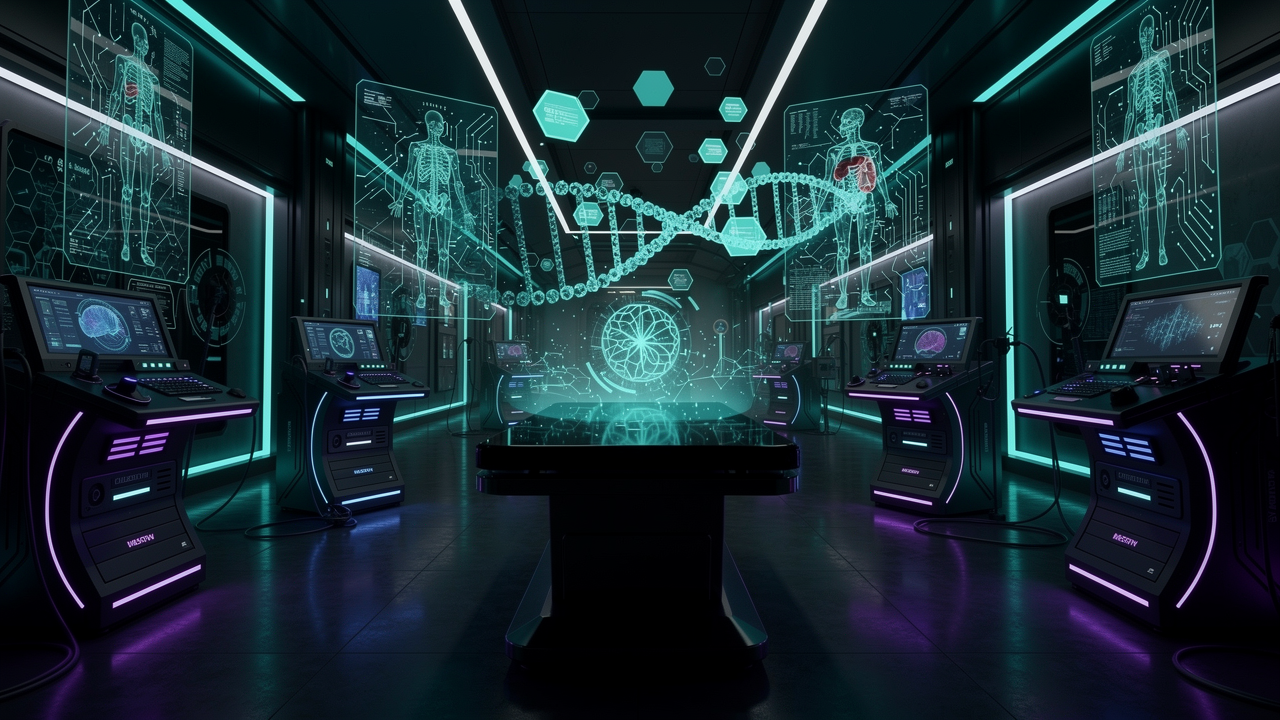
    Healthcare has always been one of the most data-rich fields in human history — billions of medical records, imaging scans, lab results, and research papers. For decades, most of that data went underutilized. In 2026, AI is finally unlocking it, and the results are starting to matter in ways that affect real patients, real diagnoses, and real outcomes.

    From AI systems that catch cancer on a scan before a radiologist does, to drug discovery platforms compressing a decade of lab work into months, the technology is moving fast. This isn’t a story about robots replacing doctors — most clinicians are actively adopting AI as a co-pilot. It’s a story about what happens when medicine finally gets the computing power it always needed.

    Here’s what’s actually happening in AI and healthcare in 2026 — what’s working, what’s still limited, and what it means for patients and providers alike.

    Catching Disease Earlier Than Ever Before

    Early detection is where AI has made its most visible clinical progress. Medical imaging — X-rays, CT scans, MRIs, pathology slides — generates enormous volumes of data that trained humans analyze one image at a time. AI models can process thousands in hours, and in several domains they’re performing at or above specialist-level accuracy.

    Google DeepMind’s AI for diabetic retinopathy screening has been deployed across health systems in the UK and India, catching sight-threatening disease in patients who might otherwise wait months for a specialist referral. In radiology, FDA-cleared tools like Annalise.ai and Aidoc are helping under-resourced hospitals provide specialist-quality reads where none existed before.

    Lung cancer is one of the clearest success stories. AI models trained on low-dose CT scans now flag nodules that human radiologists miss at early stages — and early-stage lung cancer has a survival rate many times higher than late-stage. The same logic applies to breast cancer mammography, colorectal screening, and skin lesion classification. Catch it earlier, treat it cheaper, save more lives. The math is simple; the AI is what makes it practical at scale.

    Drug Discovery in the Fast Lane

    Traditional pharmaceutical development is brutally slow. From initial discovery to market approval, a new drug typically takes 10 to 15 years and costs over $2 billion. Most candidates fail in clinical trials. The industry has always known this was a problem — it just didn’t have better tools.

    AI is changing that equation. Companies like Insilico Medicine, BenevolentAI, and Recursion Pharmaceuticals use deep learning to identify novel drug candidates, predict how they’ll behave in the human body, and prioritize the ones most likely to survive trials. Insilico’s AI-designed drug for idiopathic pulmonary fibrosis moved from concept to Phase II clinical trials faster than almost anything in pharmaceutical history.

    DeepMind’s AlphaFold protein structure database has quietly become one of the most important scientific tools of the decade. By predicting the 3D shapes of proteins — shapes that previously took years of lab work to determine — it’s opened new approaches to diseases that were previously undruggable. Rare diseases are a particular beneficiary. When a patient population is small, no traditional pharmaceutical company can justify a decade of R&D spend. AI makes the economics work in ways they couldn’t before.

    AI-Assisted Surgery and Robotic Procedures

    Surgical robots aren’t new — the da Vinci Surgical System has been in operating rooms for over two decades. What’s new in 2026 is how AI is being layered onto these platforms to provide real-time guidance, reduce variability between surgeons, and flag potential complications before they happen.

    AI systems can now analyze intraoperative video feeds to identify critical anatomical structures, warn surgeons when they’re approaching risk zones, and even predict bleeding events from subtle visual cues no human would catch in the moment. Intuitive Surgical’s latest da Vinci platform integrates computer vision trained on hundreds of thousands of procedures. Johnson & Johnson’s Ottava system, which began rolling out in 2025, is similarly AI-native from the ground up.

    The goal isn’t to take the surgeon out of the loop — surgeons retain full control. The goal is to compress the gap between the best surgeon on their best day and the average surgeon on a tough case. For patients, that gap matters enormously.

    Personalized Medicine and Mental Health Support

    One of the oldest complaints about medicine is that it treats the average patient, not the actual one. Two people with the same diagnosis can respond completely differently to the same treatment. AI is starting to make personalized medicine practical at scale.

    In oncology, AI models analyze tumor genomics to predict which therapies are most likely to work for a specific patient’s cancer, rather than relying on population-level statistics. In cardiology, wearables paired with AI enable continuous monitoring that catches arrhythmias, blood pressure spikes, and early signs of heart failure between clinic visits — transforming what used to be snapshots into a continuous picture.

    Mental health is an area where AI is showing genuine promise and generating legitimate controversy in equal measure. Apps like Woebot and Wysa use AI-guided cognitive behavioral therapy to reach people who can’t access or afford traditional therapy. Research shows measurable improvements in anxiety and depression scores for consistent users. The concern is that AI chatbots can’t replace a trained human therapist in a crisis — and the risk of someone in acute distress relying on one is real. Most responsible deployments now include clear escalation paths to human professionals.

    The Challenges AI Still Has to Clear

    It would be dishonest to write about AI in healthcare without acknowledging the serious obstacles that remain. The most significant is bias. AI models are only as good as the data they’re trained on, and healthcare data has historically underrepresented certain populations — patients of colour, rural communities, and older adults especially. A model trained predominantly on one demographic can perform significantly worse for another. This isn’t a hypothetical risk; it’s been documented in dermatology AI tools and pulse oximeters alike.

    Privacy is another major concern. Training AI models on medical records requires access to sensitive data, and the regulatory frameworks governing that data vary enormously by country. HIPAA in the US, GDPR in Europe, and patchwork rules everywhere else create a complex environment that slows deployment and creates legal exposure that makes hospitals cautious.

    Finally, regulatory approval remains a genuine bottleneck. The FDA’s AI/ML-based Software as a Medical Device framework has matured considerably, but getting a novel AI diagnostic tool approved is still slow enough that many innovations sit on research desks for years before reaching patients. This isn’t purely bureaucratic foot-dragging — the stakes of a bad diagnostic AI are high enough to justify caution — but the pace of approval hasn’t kept up with the pace of development.

    Further Reading

    If you want to go deeper on AI and healthcare, these books are worth your time:

    Deep Medicine: How Artificial Intelligence Can Make Healthcare Human Again by Eric Topol — Written by one of the leading cardiologists and digital health researchers in the world, this is the most readable and authoritative overview of AI’s role in transforming medicine. Topol is honest about both the promise and the limits. (~$20) See on Amazon →

    The Digital Doctor: Hope, Hype, and Harm at the Dawn of Medicine’s Computer Age by Robert Wachter — A grounded, sceptical look at what happens when technology meets medicine, written by a practicing physician who lived through the electronic health record revolution. Essential context for understanding why AI adoption in healthcare is harder than it looks. (~$18) See on Amazon →

    Artificial Intelligence in Healthcare edited by Adam Bohr and Kaveh Kaviani — A more technical overview covering AI applications across diagnosis, drug discovery, clinical decision support, and beyond. Better suited if you want the research perspective. (~$55) See on Amazon →

    The Bottom Line

    AI’s transformation of healthcare in 2026 is real, uneven, and genuinely exciting in parts. Early diagnosis tools are already saving lives in clinical deployment. Drug discovery is moving faster than it has in decades. Surgical AI is making complex procedures safer. Personalized medicine is starting to mean more than a marketing phrase.

    The challenges are just as real: bias in training data, privacy constraints, regulatory pace, and the ever-present risk of over-reliance on tools that still make mistakes. The technology is good enough to be useful; it’s not good enough to be trusted without oversight.

    What’s clear is that AI is not coming for healthcare from the outside. It’s being adopted from the inside, by clinicians and health systems that see it as the most powerful tool they’ve ever had — with all the responsibility that entails.

  • How AI Is Changing Agriculture in 2026 — Smarter Farms, Better Yields

    How AI Is Changing Agriculture in 2026 — Smarter Farms, Better Yields

    Disclosure: TopAINest is reader-supported. This post contains affiliate links, and we may earn a small commission if you buy through them — at no extra cost to you. We only recommend products we’d genuinely tell a friend to buy.

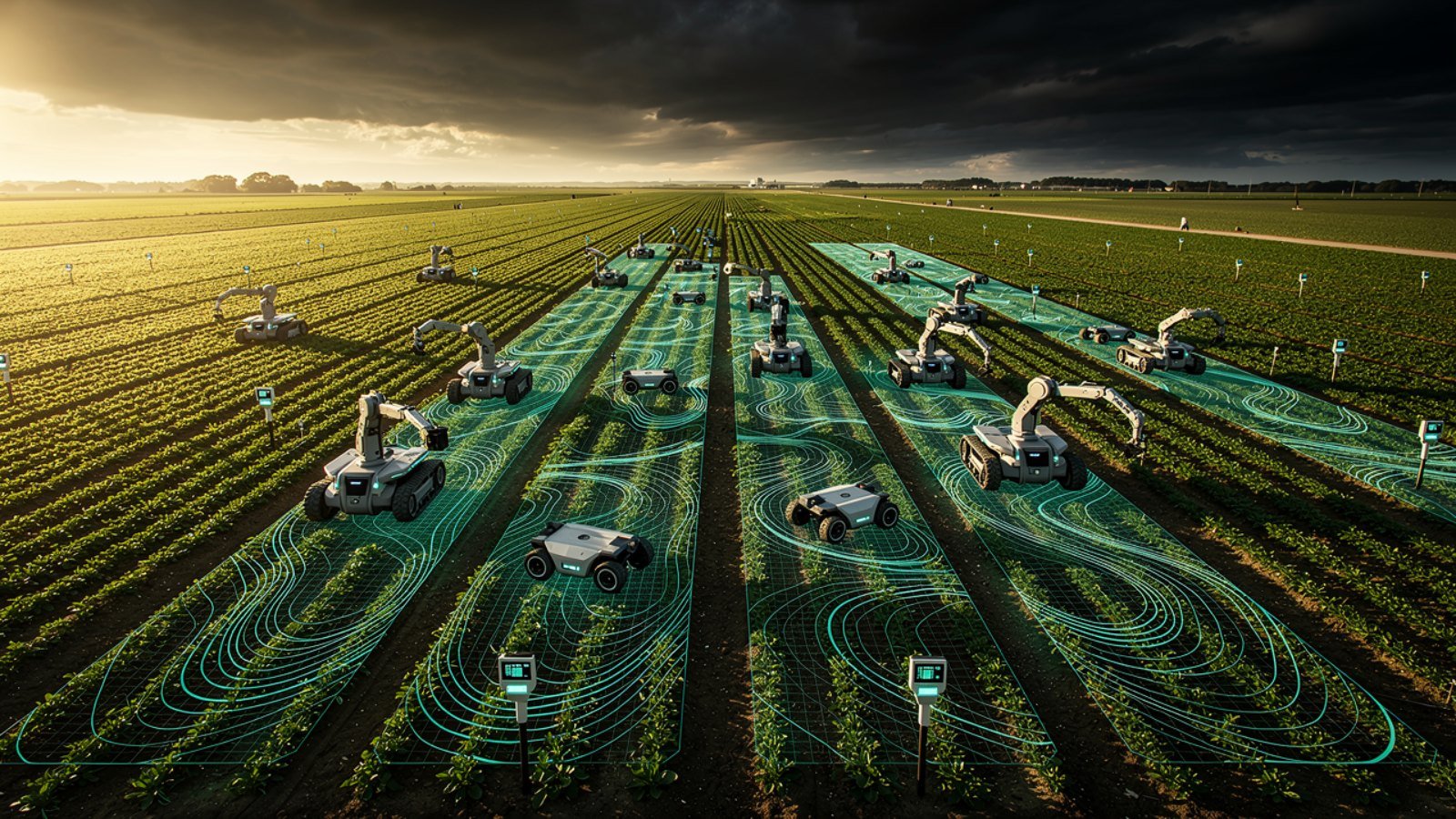
    Farming has always been hard — too much rain, not enough rain, pests at the wrong time, markets that shift overnight. In 2026, AI is becoming the farmer’s most powerful tool for dealing with all of it. The change isn’t coming; it’s already here, and it’s accelerating fast.

    What “AI in Agriculture” Actually Means

    People throw the phrase around loosely. In practice, AI in agriculture means a few distinct things happening simultaneously:

    • Precision crop monitoring — satellites and drones capture multispectral images of fields, and AI identifies exactly which zones are stressed, nutrient-deficient, or infected before the human eye can see it.
    • Predictive analytics — machine learning models trained on decades of weather, soil, and yield data help farmers decide when to plant, irrigate, and harvest for maximum output.
    • Autonomous machinery — AI-guided tractors, sprayers, and harvesters operate with GPS precision, reducing waste and labour costs.
    • IoT soil and climate sensors — networks of connected sensors feed real-time data into AI platforms that adjust irrigation and fertilisation on the fly.
    • Supply chain optimization — AI predicts commodity prices and logistical disruptions, helping farmers and agribusinesses make better market decisions.

    5 Ways AI Is Changing Farms Right Now

    1. Drone-Based Crop Scouting

    Agricultural drones equipped with multispectral cameras fly over fields and generate detailed health maps in minutes — what used to take days of manual walking. Companies like DJI Agriculture, Agras, and Sentera offer platforms that turn drone imagery into actionable AI insights: exactly where the aphid pressure is, which irrigation zone is showing drought stress, or which rows need foliar treatment. A 1,000-acre farm can be fully scouted in a single morning.

    2. AI-Powered Irrigation Systems

    Traditional irrigation runs on schedules. AI irrigation responds to reality. Soil moisture sensors feed data into platforms like Lindsay Irrigation’s FieldNET Advisor or Netafim’s AgriForce, which adjust watering in real time based on actual field conditions and weather forecast data. Studies consistently show 20–40% water savings without yield loss — a massive deal as water scarcity becomes a global agricultural crisis.

    📦 Want to experiment at home or in a greenhouse? The Arduino soil moisture sensor kit on Amazon Canada is a great intro to the technology farmers are scaling up — program your own automated irrigation logic.

    3. Predictive Disease and Pest Detection

    AI models trained on millions of images can now identify over 50 crop diseases and 200+ pest species from a smartphone photo. Apps like Plantix and platform tools from Bayer’s Climate FieldView let farmers get an instant diagnosis and treatment recommendation in the field. The economic impact is significant — late-stage crop disease can wipe out 20–40% of a harvest; early detection can cut those losses to under 5%.

    4. Autonomous Tractors and Field Robots

    John Deere’s autonomous tractor (the 8R) can till, plant, and spray fields with centimetre-level GPS accuracy — with no driver. The farmer monitors it from a phone. Smaller operations are seeing solutions like the Small Robot Company’s “Tom, Dick, and Harry” trio (mapping, micro-dosing, weeding robots for smaller farms). In specialty crops — strawberries, lettuce, asparagus — harvesting robots from companies like Harvest CROO and Tortuga AgTech are entering commercial deployment.

    5. AI-Driven Yield Forecasting

    Governments and commodity traders have used satellite yield forecasting for years; in 2026, it’s available to individual farmers. Platforms like Gro Intelligence, Taranis, and BASF’s Maglis combine satellite imagery, weather models, and local field data to forecast yields months in advance. That means better marketing decisions, better input purchasing, and better crop insurance planning.

    The Challenges AI Still Can’t Solve

    This isn’t all smooth progress. Real barriers remain:

    • Rural connectivity — AI systems need internet. Much of the world’s farmland doesn’t have reliable 4G, let alone 5G. Satellite internet (Starlink) is helping, but it’s not everywhere yet.
    • Cost of entry — Autonomous tractors and precision ag platforms are expensive. Small and medium farms (which feed most of the developing world) often can’t afford them without subsidy programs.
    • Data ownership — Who owns the yield and soil data that farmers generate? This is a live legal and ethical debate, with large agtech companies and independent farmers on opposite sides.
    • Adoption curve — Generational farming knowledge and trust in technology take time to build. The average farmer in Canada is 55 years old.

    Tools and Books to Go Deeper

    📘 Precision Agriculture Technology for Crop Farming — a practical reference covering GPS, remote sensing, and AI-driven decision support for farmers and agtech students.

    📦 Raspberry Pi IoT Sensor Starter Kit — build your own smart monitoring system; a hands-on way to understand the IoT stack behind precision agriculture platforms.

    FAQ

    How is AI used in agriculture today?

    AI is used for crop disease detection, precision irrigation, autonomous machinery, drone-based field scouting, and yield forecasting. These applications are active in commercial farms across North America, Europe, and Australia right now.

    Does AI farming help small farms?

    It can, but access is uneven. Entry-level tools like smartphone crop diagnostic apps are accessible to anyone. Full autonomous machinery and enterprise platforms are still cost-prohibitive for most small operations without government support or cooperative purchasing models.

    Will AI replace farmers?

    No — not in the foreseeable future. AI automates specific tasks (field scouting, irrigation decisions, machine guidance) but farming requires judgment, problem-solving, and adaptability that AI systems can support but not replace. The farmer’s role is evolving from physical labour to data-driven management.

    The Bottom Line

    AI isn’t replacing farmers. It’s giving them superpowers — seeing their fields at a resolution no human eye can match, predicting problems before they become disasters, and automating the parts of the job that are repetitive and exhausting. The farms that adopt these tools in the next five years will have a significant competitive advantage over those that don’t.

    And for the rest of us? AI-optimised agriculture means more food, less waste, lower prices, and a better shot at feeding 10 billion people sustainably. That’s not a small thing.